
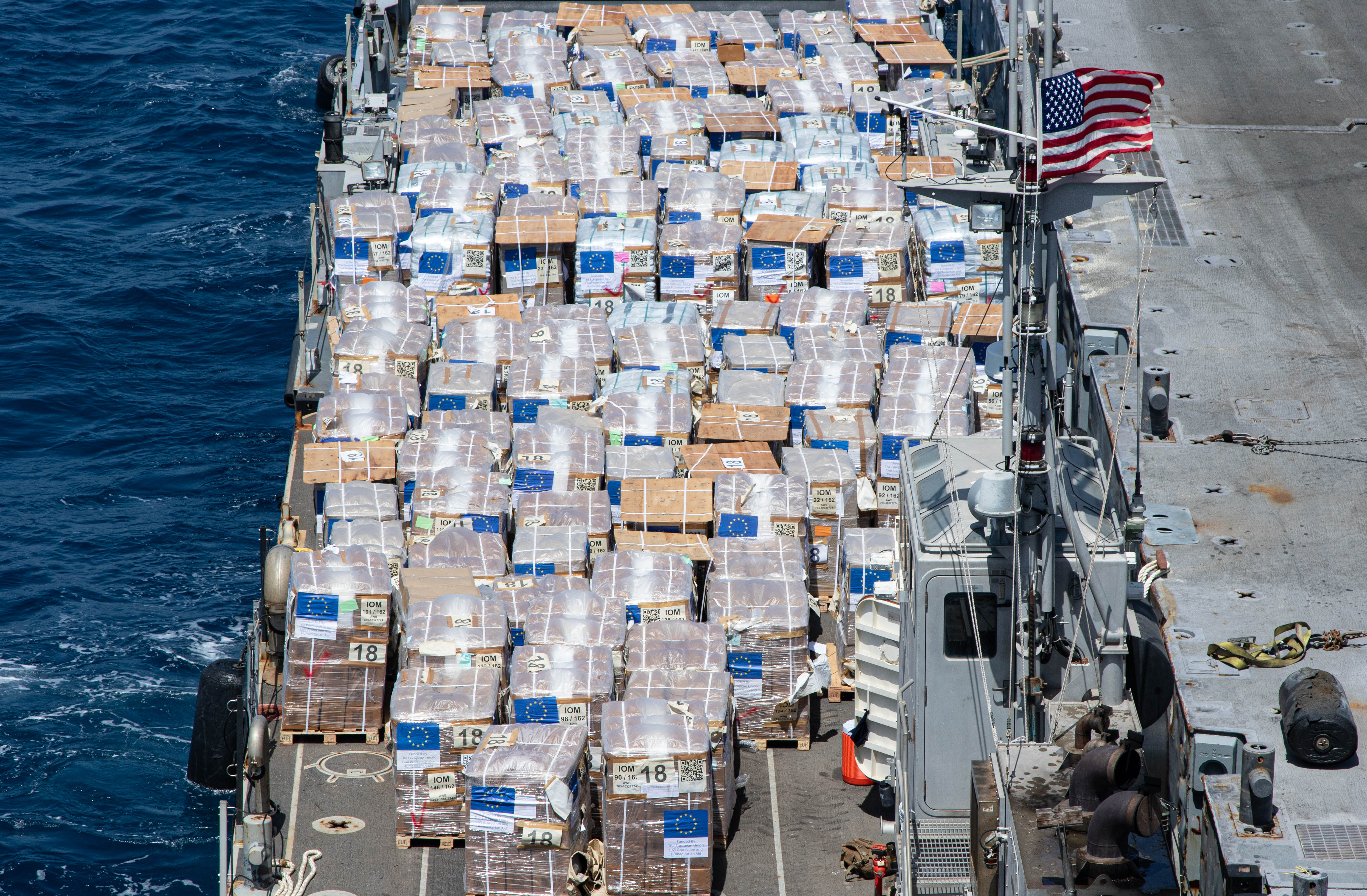
International pressure is rising over Gaza’s humanitarian situation as ceasefire obligations, aid access and security arrangements remain contested. The debate at the United Nations has focused on two connected issues: the need for Hamas to disarm under the peace framework, and the need for Israel to uphold commitments on humanitarian access and protection of civilians.
For Gaza’s population, the diplomatic language translates into immediate questions of survival. Food, medicine, fuel, shelter and safe movement remain central concerns. Humanitarian agencies have warned for months that restrictions on aid flows can quickly deepen hunger, displacement and preventable disease.
A ceasefire without relief is fragile
A ceasefire is only durable when civilians experience a material change in conditions. If aid remains unpredictable or if violence continues in pockets, public confidence in any political arrangement weakens. That is why humanitarian access has become a core test of the current framework.
The official overseeing the U.S.-brokered ceasefire urged the UN Security Council to use its influence to press Hamas to disarm. He also said Israel must meet its obligations under the ceasefire, pointing to killings of Palestinians and restrictions affecting humanitarian flows. That dual pressure reflects the complexity of the moment: security demands and civilian needs are moving together, but not always in the same direction.
Why aid access is also a political issue
Aid delivery in Gaza is never only logistical. Every crossing, convoy route and distribution point carries political meaning. Controls are justified by security concerns, while aid agencies warn that delays can put civilians at risk. The result is a system where humanitarian work depends on political decisions made far from the people waiting for assistance.
For international actors, the challenge is to prevent humanitarian access from becoming a bargaining chip. Civilians cannot wait for perfect political alignment before receiving food, medicine and basic services. That principle is likely to remain at the centre of UN debate.
The wider regional risk
Gaza’s crisis also affects the wider Middle East. If reconstruction stalls, displacement deepens or armed groups exploit desperation, the conflict can continue to shape regional diplomacy long after formal ceasefire language is agreed. Donor fatigue and mistrust between parties make the problem harder.
The immediate test is whether the ceasefire can produce visible relief. Without that, Gaza risks becoming a permanent emergency managed through statements rather than solved through sustained access, accountability and political compromise.
Source reference: The Associated Press reported that the official overseeing the Gaza ceasefire urged the UN Security Council to press Hamas to disarm while also saying Israel must uphold its obligations on aid and civilian protection.