
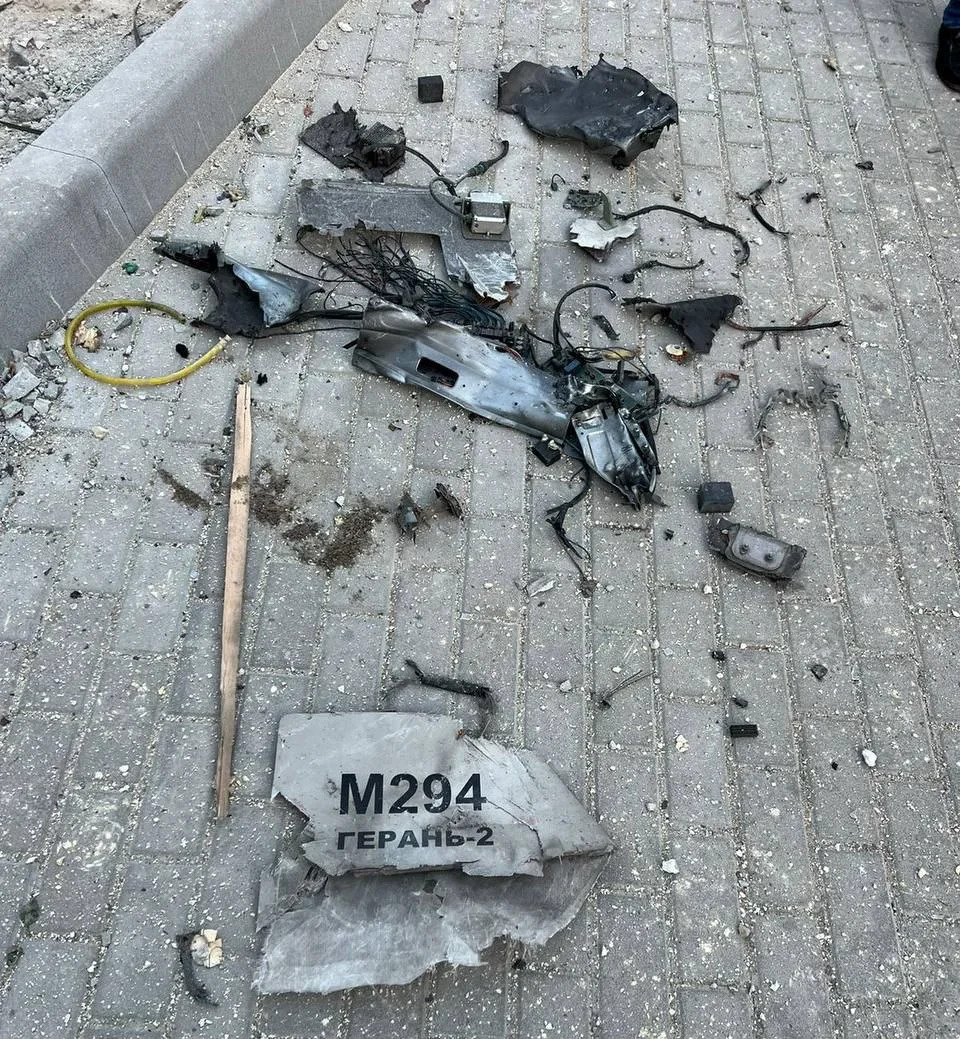
Kyiv is again facing the possibility of a major Russian air assault after Ukraine reported another overnight wave of drones and ballistic missiles. The Ukrainian air force said Russia fired more than 100 drones and two ballistic missiles, extending a pattern of pressure that has kept civilians, diplomats and emergency services on alert.
The warning has particular weight because Moscow also urged foreign citizens, including diplomatic personnel, to leave the Ukrainian capital quickly. For residents of Kyiv, the language is familiar but still serious. Russia has repeatedly used drones and missiles to target Ukrainian cities since its full-scale invasion began in February 2022, often forcing families into shelters through the night.
Drone warfare remains central to the conflict
The latest attacks underline how drones have become one of the defining weapons of the war. They are cheaper than ballistic missiles, harder to stop at scale and capable of exhausting air-defence systems when launched in large waves. Even when many are intercepted, the pressure on electricity infrastructure, apartment blocks and emergency-response teams remains heavy.
Ukraine has invested heavily in air defences and electronic warfare, but the mathematics of modern drone warfare are difficult. A defender often spends more money stopping a drone than the attacker spends launching it. That imbalance has turned night skies into a persistent battlefield.
Diplomatic warnings raise the stakes
The latest Russian warnings to foreign missions add a diplomatic layer to the military pressure. When embassies are told to reduce exposure or evacuate staff, the message is not only aimed at Ukraine. It is also read by NATO capitals, humanitarian organisations and markets watching for signs that the war could enter a more dangerous phase.
For Ukraine, the challenge is to absorb the pressure without allowing daily life in the capital to become paralysed. Kyiv has learned to function through alerts, curfews and blackouts. But repeated warnings of “systemic strikes” test morale and stretch state capacity.
Why it matters beyond Ukraine
The conflict has already reshaped European defence planning, energy security and global food supply chains. Fresh attacks on Kyiv remind the wider world that the war is not frozen. It is adapting. The air war, in particular, is now influencing how countries think about cities, drones, air defence budgets and civilian resilience.
As the latest barrage shows, Russia is still willing to use long-range pressure to force political and psychological costs. Ukraine’s response will depend on air defence supplies, battlefield endurance and whether diplomatic partners continue to treat the war as an active strategic emergency rather than background noise.
Source reference: The Associated Press reported that Russia fired more than 100 drones and two ballistic missiles at Ukraine overnight while Kyiv was warned of possible further strikes.