
Socio-political activist Aisha Yesufu has explained why she turned down an offer to contest for a House of Representatives seat on the platform of the Nigeria Democratic Congress (NDC), saying she refused to benefit from what she described as an unfair nomination process.
Speaking on Thursday at a public lecture on *Citizens' Participation in Governance* at Veritas University in Bwari, Abuja, Yesufu said she declined the offer because about 20 aspirants had already purchased nomination forms and were actively seeking the party's ticket.
According to her, accepting the nomination under such circumstances would have unfairly displaced those who had invested time, effort and resources in the process.
"About 20 people had picked up forms for the ticket and I was not going to be part of irregularities. I was not going to be part of that system even though it was going to benefit me," she said.
Yesufu maintained that the process was unjust and inconsistent with the principles of fairness and the rule of law.
"The reason I didn't take it was because of the process. There were about 20 competent people from whom money had been collected during the process who would be shortchanged," she said.
Describing the arrangement as unacceptable, she added: "The process was unjust; in my view, it was criminal. If we claim to be guided by the law, then why should we do something unjust?"
The activist said she would rather forgo political office than benefit from a process she believes is unfair.
"I have no problem with losing. I would rather stand with ordinary people than pursue titles and honours through an unfair process. That is how I have always lived my life," she said.
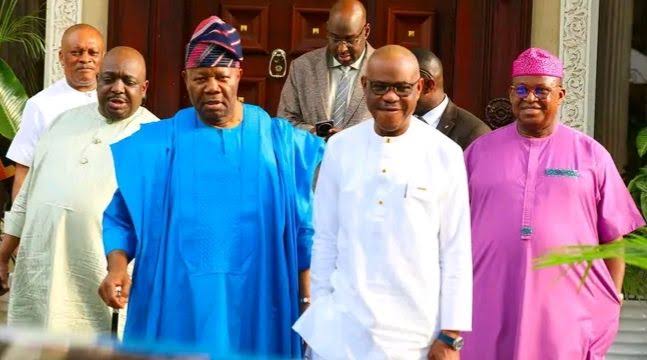
Her comments followed a disclosure by NDC National Leader, Seriake Dickson, that he and the party's presidential candidate, Peter Obi, had offered her the House of Representatives ticket, which she declined.
The revelation came amid controversy over the party's Federal Capital Territory senatorial primaries, which Yesufu later alleged were manipulated against her.
At the event, Yesufu also urged young Nigerians to take a more active role in politics, stressing that meaningful civic participation extends beyond voting during elections.
Also speaking at the lecture, human rights lawyer Dr. Maxwell Opara described the judiciary as one of Nigeria's biggest challenges, arguing that delays, procedural bottlenecks and selective enforcement of court judgments are weakening democratic institutions.
Both speakers called for greater citizen participation to improve accountability and strengthen democratic governance.