

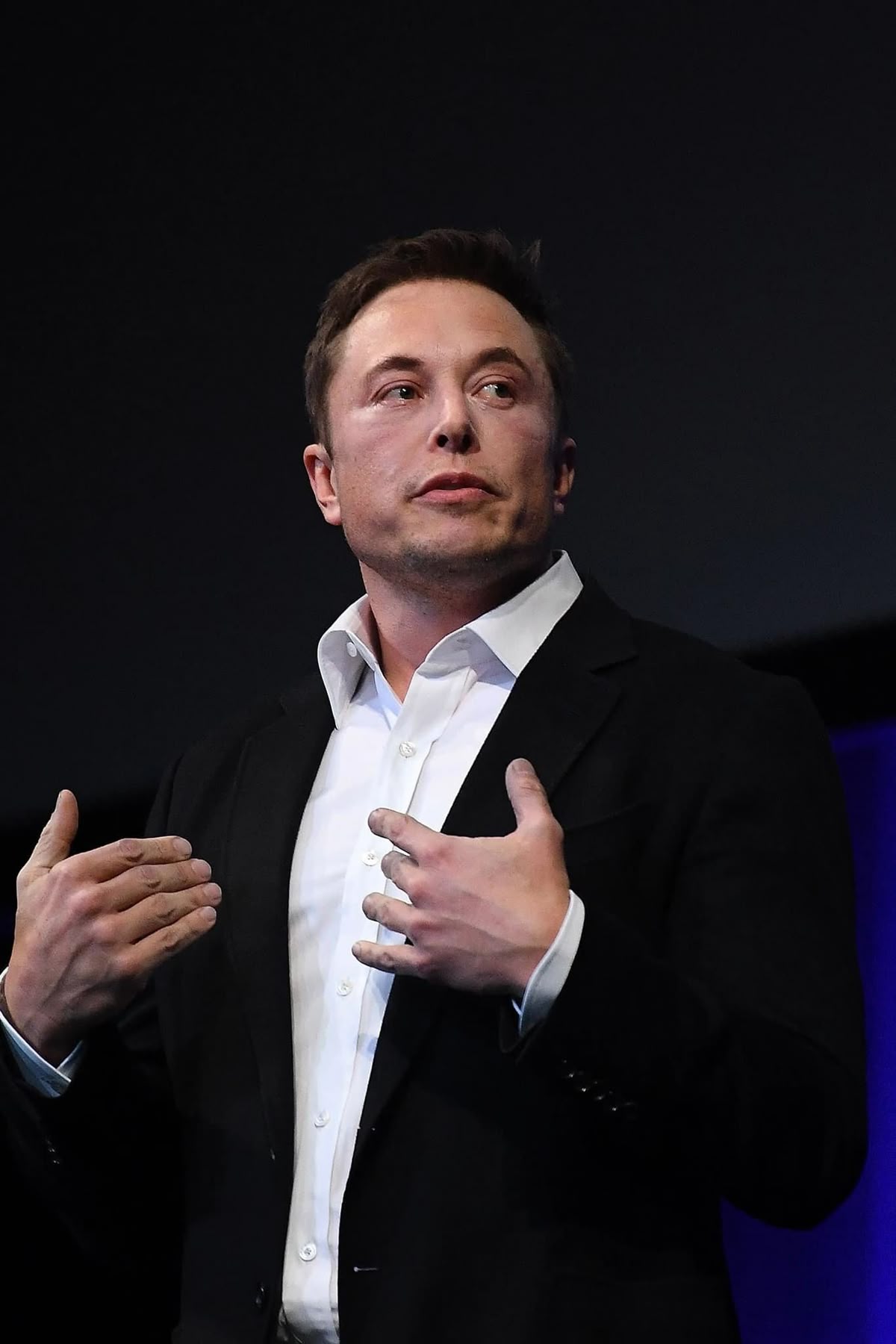
The long-running legal dispute between Elon Musk and OpenAI has reached a major turning point after a California jury ruled in favor of the artificial intelligence company and its CEO, Sam Altman.
The case, which attracted global attention across the technology and AI industries, focused on claims that OpenAI abandoned its original nonprofit mission in pursuit of massive commercial success.
Background of the Dispute
Musk was one of the original co-founders of OpenAI in 2015 alongside Sam Altman and several leading AI researchers. At the time, the organization presented itself as a nonprofit research lab committed to developing artificial intelligence for the benefit of humanity.
However, Musk later accused the company of transforming into what he described as a “closed-source, profit-driven” enterprise closely aligned with Microsoft after receiving billions in investment and forming strategic partnerships.
According to court documents, Musk argued that his financial contributions to OpenAI were made under the belief that the organization would remain nonprofit-focused and transparent in its AI development efforts.
OpenAI denied the allegations and maintained that restructuring was necessary to secure the enormous funding required to compete in the rapidly evolving AI industry.
Jury Rules in Favor of OpenAI
After weeks of testimony and legal arguments in a California federal court, jurors sided with OpenAI and rejected Musk’s claims.
Reports indicate the court found significant legal and procedural issues with Musk’s case, effectively delivering a major victory to OpenAI and Sam Altman.
The verdict comes at a crucial moment for OpenAI as the company continues expanding globally through products such as ChatGPT and advanced AI research systems.
Industry analysts believe the ruling strengthens OpenAI’s position in the increasingly competitive artificial intelligence market.
Why the Case Matters
The lawsuit became far more than a disagreement between former business partners. It evolved into a broader debate about the future of artificial intelligence and who should control its development.
Key issues raised during the trial included:
- Whether advanced AI should remain open and publicly accessible
- The growing influence of large corporations in AI development
- AI safety and transparency concerns
- The balance between innovation and profit
- Competition between OpenAI and Musk’s own AI company, xAI
The case also highlighted the enormous financial pressure involved in building cutting-edge AI systems, where companies require billions of dollars in infrastructure, computing power, and research investment.
Musk Expected to Continue Legal Fight
Despite the courtroom loss, Musk is reportedly preparing to continue challenging OpenAI through additional legal channels and public criticism.
The billionaire entrepreneur has repeatedly voiced concerns about the direction of modern AI development and has warned about the potential risks of unchecked artificial intelligence.
Meanwhile, OpenAI says the ruling confirms that the company acted lawfully and responsibly throughout its transition into one of the world’s leading AI organizations.
The Bigger Picture for the AI Industry
The outcome of the Musk vs OpenAI case may influence future discussions surrounding AI governance, ethics, corporate accountability, and regulation worldwide.
As artificial intelligence becomes increasingly central to global technology, business, education, and national security, experts believe similar legal and ethical battles could become more common in the years ahead.
For now, the verdict marks a significant win for OpenAI — and another major chapter in the rapidly evolving AI revolution.