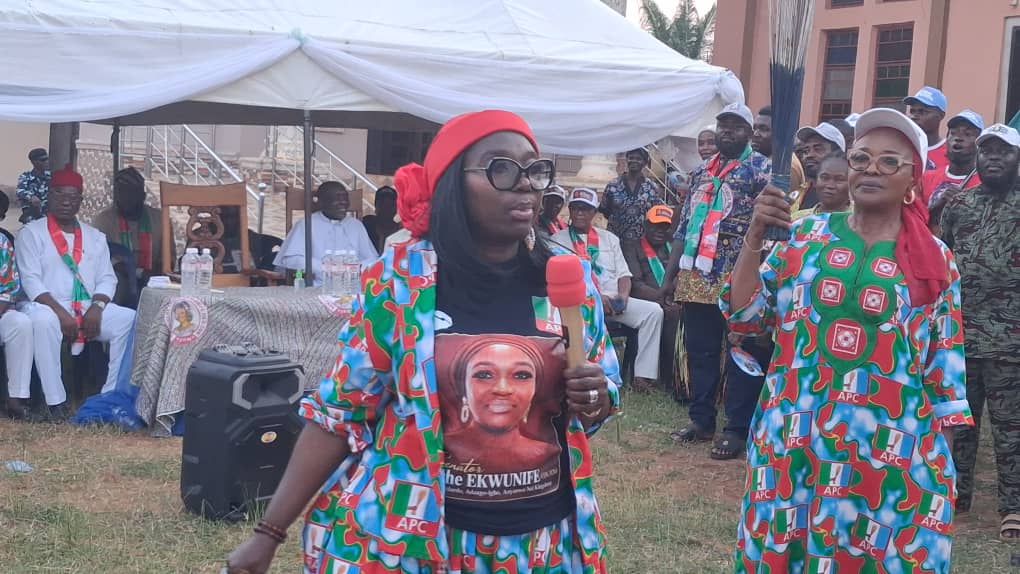


Being privileged to witness the happenings of grassroots politics in Idemili North and South, I have had the opportunity to observe, firsthand, the mood of the people and their expectations of political representation. One thing that comes through in conversations across the constituency is the widespread disappointment with the quality of representation since the beginning of the current Republic. Some have even described the constituency as jinxed, given what they consider years of unmet expectations.
However, the emergence of Engr. Eric Nnamdi Anyamene as the NDC candidate for the House of Representatives has introduced a new dimension to the political conversation and given many people renewed hope that things can be different.
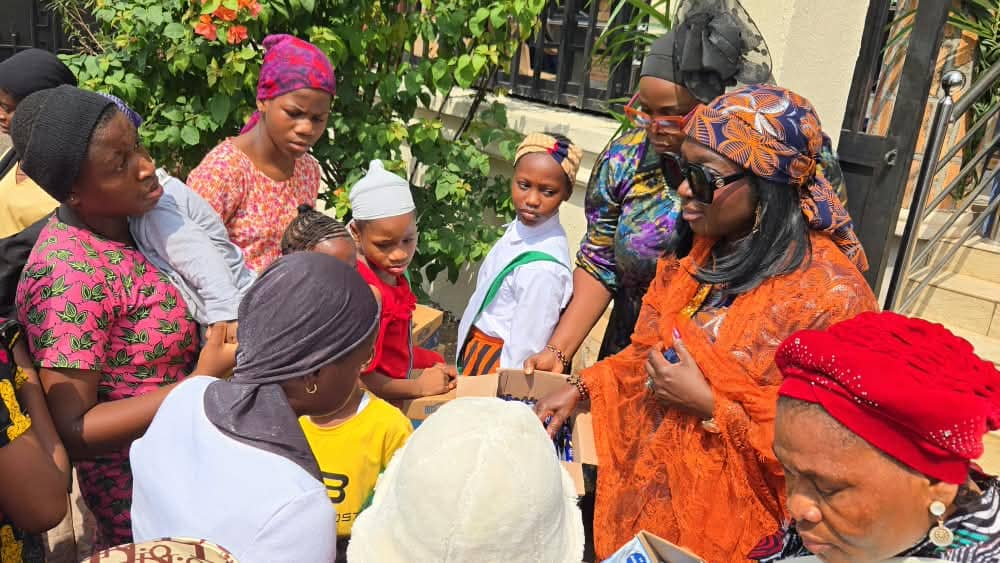
To understand the support he enjoys at the grassroots, one must look beyond his political ambition. Many of those identifying with him today are people who have encountered his philanthropy and community interventions long before he ventured into the murky waters of partisan politics. They see a man whose activities have not been limited to making promises or playing to the gallery, but one who has demonstrated a willingness to respond to the needs of ordinary people.
How many of these interventions can one possibly mention? Is it the scholarships and educational support for students? The reconstruction of market facilities? The roads and other community projects? The repair of damaged boreholes? Or his support for people undergoing glaucoma treatment and other medical challenges? The list is extensive.
Through the Eric Nnamdi Anyamene Foundation (ENAF), these interventions have continued across different communities. Its educational programmes, healthcare support, humanitarian assistance and community development initiatives have become familiar aspects of its activities. Public reports have also documented some of these efforts, including educational sponsorships, medical outreaches and infrastructure support across Idemili North and South.
The Foundation’s office is often a point of contact for people seeking assistance with one challenge or another. For many beneficiaries, these engagements are not campaign promises; they are experiences they had before the current political season.
This is an important part of the story behind Anyamene’s growing political profile. His emergence has given some residents a sense that the constituency may have an opportunity to translate years of private and community-based interventions into broader public representation.
His candidacy has also attracted endorsements and expressions of support from different groups and individuals. His name has become a regular subject of discussion among young and old, although the extent of that support will ultimately be determined by the choices voters make at the polls.
As the 2027 elections approach, the questions before Ndi Idemili are significant. What kind of representation do they want? How should their constituency be positioned to attract development? And how can the experience and resources of those seeking public office be translated into measurable benefits for the people?
For many of us, Engr. Eric Anyamene represents an opportunity to pursue a different approach—one that builds on his record of community engagement and extends that commitment into legislative representation. His challenge, if elected, will be to demonstrate that the same concern for people reflected in his philanthropic activities can be sustained through effective legislation, accountability and the attraction of development projects to the constituency.
As I write this, it is clear that the name Engr. Eric Anyamene has become closely associated with the conversation about progress and a new direction for Idemili.
Prinz Arthur Maduka writes from Obosi, Anambra State.