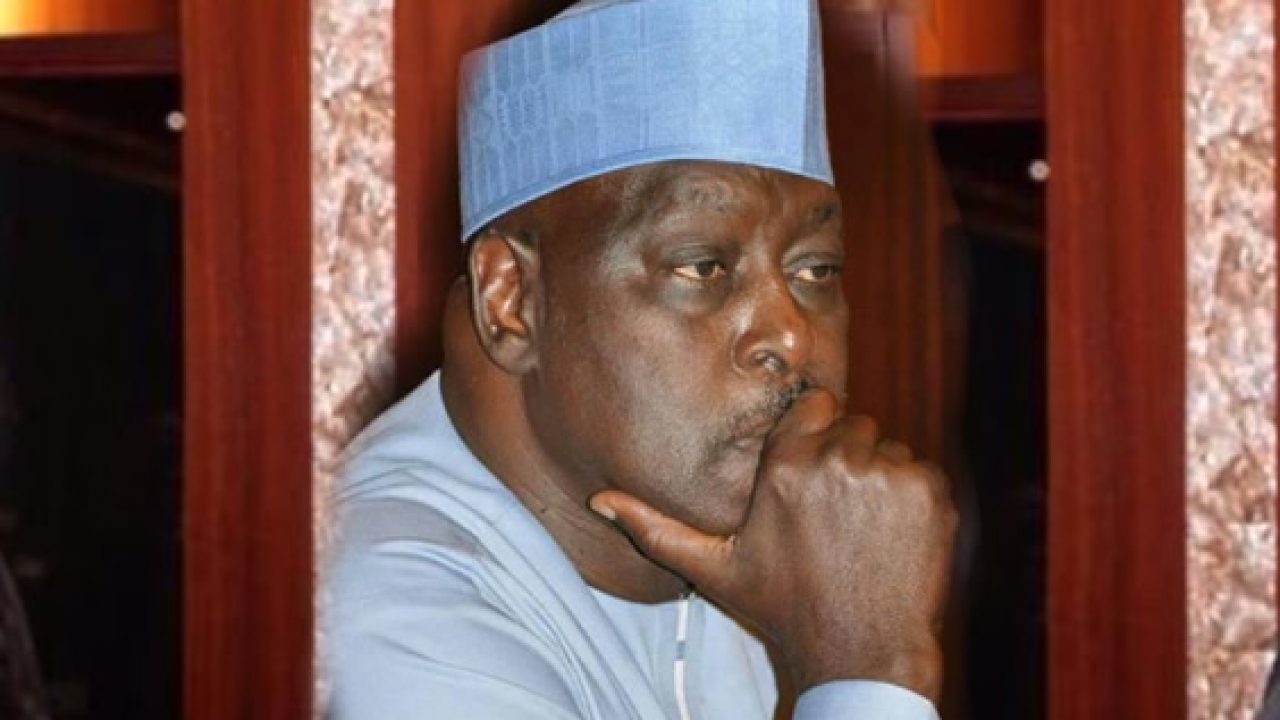
In a resignation statement titled “The Kachalla Series Part 1,” Lawal said his decision followed the emergence of Atiku Abubakar as the party’s presidential candidate. He alleged that the process that produced the outcome was fundamentally compromised.
“I am exiting the ADC because its just concluded primaries were at all levels massively rigged in favour of Kachalla Abubakar Atiku,” he said. “I sense a conspiracy of silence of which I want no part.”
Lawal maintained that he could not remain in a political structure where, in his view, internal democracy had been undermined. He accused party stakeholders of normalising irregularities in the selection process and suggested that dissenting voices were being sidelined.
According to him, “most members of the party are behaving as if this is the normal thing to do,” a situation he described as unacceptable.
His resignation comes amid internal adjustments within the ADC following its recent presidential primary, which consolidated Atiku’s position as the party’s standard bearer ahead of the 2027 general election cycle.
Lawal was more direct in his assessment of Atiku’s candidacy, saying he would not participate in what he described as an organised political structure supporting the former vice president’s ambition. “I have no intention of being part of Kachalla Atiku’s rigging machine ahead of the 2027 general elections,” he stated.
He further escalated his criticism by questioning Atiku’s suitability for the presidency. In his remarks, he described the former vice president as “incompetent,” adding that he considered him “a tribal and religious bigot” who should not be allowed near the office of president.
Lawal also framed his resignation in broader political terms, positioning it as a rejection of what he believes are entrenched patterns in Nigeria’s electoral politics. He accused Atiku and his allies of fostering divisions, describing elements within the political structure as “irredentist” in outlook.
In his statement, Lawal argued that political choices in 2027 could ultimately favour President Bola Tinubu, suggesting that the opposition’s internal dynamics could strengthen the incumbent’s chances. “Working for Kachalla Atiku means giving Tinubu an automatic ticket to a second term,” he said.
He added, “I believe Tinubu might, comparatively speaking, end up a better Nigerian president than Kachalla Atiku could ever be… the choice in 2027 it seems will be a Morton’s fork.”
Lawal also referenced concerns about leadership character and governance capacity, linking his criticism to what he described as long-standing issues in national politics. He argued that leadership decisions should not be driven by sentiment or identity considerations but by competence and governance capacity.
He further criticised sections of northern political leadership for backing Atiku, describing the support as misplaced in light of ongoing national challenges. He said the region should prioritise “competent leadership over regional and religious sentiments,” warning that continued support for flawed candidates would deepen existing national difficulties.
In a more personal reflection within the statement, Lawal suggested that leadership baggage and family influence in politics were also factors he considered relevant to national governance debates, though he did not provide specific policy evidence to support the claim.
He concluded by announcing a temporary withdrawal from active political engagement, saying he would return to his village to focus on farming while consulting allies on future political direction. He also indicated that further political action could follow ahead of the 2027 elections.
“Atiku’s camp will ultimately be overwhelmed by superior political machinery,” he added, predicting a decisive electoral contest ahead.
As of the time of this report, neither the ADC leadership nor Atiku Abubakar’s representatives have issued an official response to the allegations raised by Lawal.