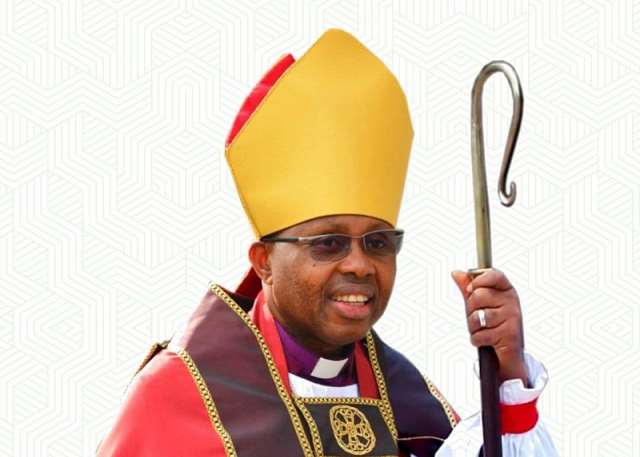

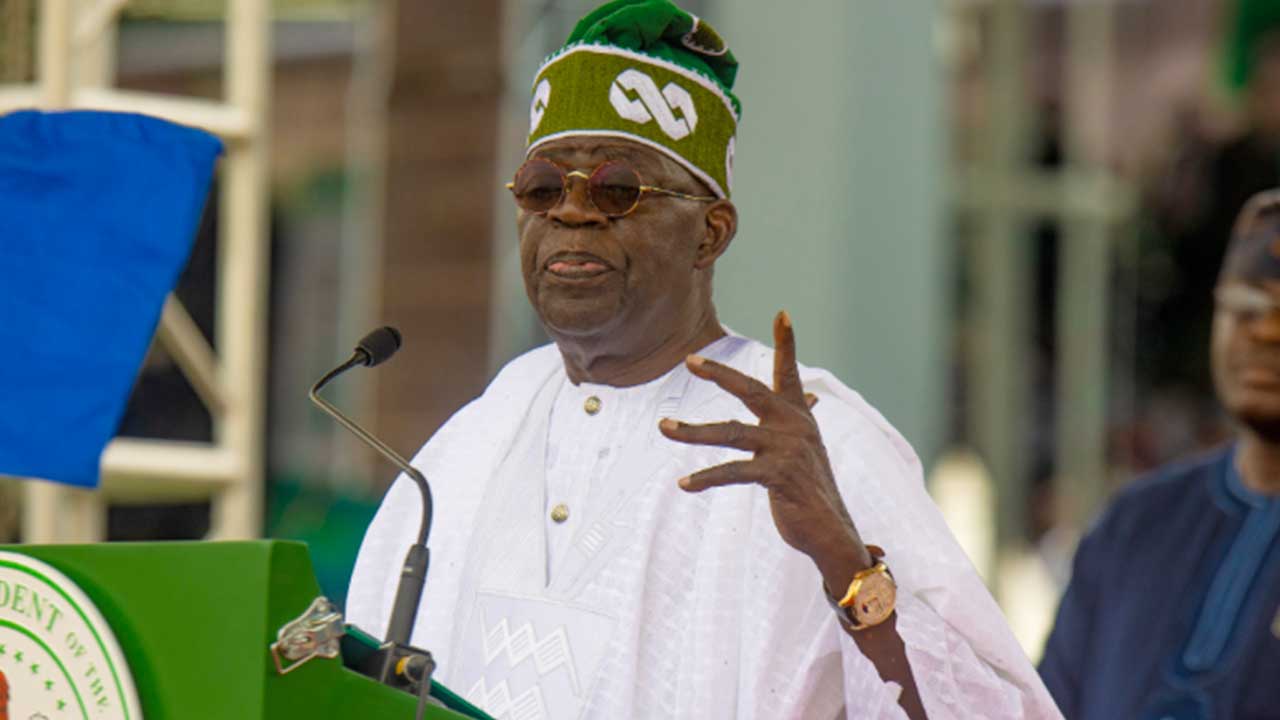
The Presidency has dismissed a viral video circulating across social media platforms which falsely claims that President Bola Ahmed Tinubu has converted to Christianity, describing it as part of a broader wave of digitally manipulated content designed to provoke religious tension and political confusion.
In a statement issued by the Office of Digital Engagement & Strategy under the Presidency, authorities said the video is not authentic and warned that it forms part of a pattern of coordinated disinformation targeting public figures through altered media and artificial intelligence-generated content.
The Presidency noted that recent days have witnessed an increase in manipulated videos and synthetic audio recordings being shared online, often stripped of context or deliberately edited to misrepresent conversations and identities. According to the statement, some of these materials are being framed in ways intended to exploit religious sensitivities and create division among Nigerians.
Officials described the latest viral clip as misleading and urged the public to disregard it entirely.
“The content being circulated is not only false but intentionally constructed to mislead the public and provoke unnecessary tension,” the statement said.
It further explained that the spread of such material follows a recurring pattern in which influencers, religious figures, and political actors are impersonated or misrepresented using digital manipulation tools. The statement added that these tactics are increasingly being used ahead of heightened political activity to influence public perception through emotional and identity-based triggers.
Bola Ahmed Tinubu was referenced in the clarification, with the Presidency reiterating his publicly known religious identity and personal background. It stated that he is a Muslim and is married into a Christian family, emphasizing that his public and private life reflects Nigeria’s multi-faith structure.
The statement stressed that his position on religious tolerance has remained consistent, adding that governance under his administration is anchored on constitutional guarantees of freedom of worship and peaceful coexistence among all religious groups.
“Nigeria belongs to citizens of every faith who are committed to peace, progress, and national unity,” the statement noted, reinforcing what it described as the President’s longstanding message on inclusivity.
The Presidency also referred to previous national messages delivered during major religious observances, including Easter and Ramadan periods, where the President emphasized shared moral values between Christianity and Islam. According to the statement, those messages highlighted themes such as compassion, justice, sacrifice, and respect for human dignity.
Authorities expressed concern that the viral video alleging religious conversion was designed to exploit these sensitive themes and redirect public sentiment through misinformation.
“This is not a matter of faith or political debate. It is a deliberate attempt to manipulate public emotions using false content,” the statement added.
The Presidency urged Nigerians to exercise caution when encountering emotionally charged content online, especially videos that appear to depict public officials or religious leaders making controversial statements. It advised citizens to verify information through credible sources before sharing or reacting to such material.
Officials also raised concern about the role of messaging platforms and social media in accelerating the spread of unverified content, warning that forwarded messages in private groups often contribute significantly to the amplification of false narratives.
A key part of the advisory called on citizens to reflect on the motivations behind such content. “Before sharing or reacting, people should ask a simple question: who benefits from division among Nigerians?” the statement said.
The Presidency further warned that the deliberate circulation of false information capable of inciting religious tension could have legal consequences under existing national laws. It referenced provisions relating to cybercrime, public incitement, and the dissemination of false information that could threaten public peace and national security.
According to the statement, individuals or networks found to be involved in producing or distributing such manipulated content may be identified and reported to relevant authorities for investigation and possible prosecution.
The statement concluded with a renewed call for restraint and unity, urging Nigerians to reject divisive narratives and remain vigilant against attempts to destabilize social cohesion through digital misinformation.
It reaffirmed that national stability depends not only on government action but also on responsible information sharing by citizens across digital platforms.