

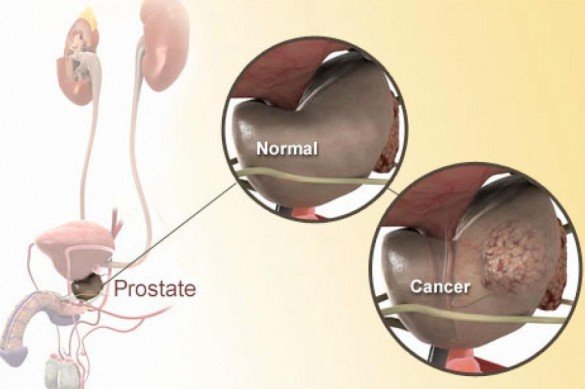
Scientists at Umeå University in Sweden, working with partner institutions, have developed an experimental drug that may slow the growth of aggressive prostate cancer and prevent it from spreading.
The findings, published in *Signal Transduction and Targeted Therapy*, suggest the treatment could offer a new therapeutic option for metastatic prostate cancer.
The research team identified the biological mechanisms that drive cancer cell growth, invasiveness and metastasis. Using this knowledge, they developed a fully human antibody made entirely from human proteins, which could improve its suitability for use as a therapeutic drug.
Maréne Landström, Professor of Pathology at the Department of Medical Biosciences at Umeå University, said the drug was specifically designed to prevent cancer from spreading to other parts of the body.
“The new drug has been developed to prevent metastasis, and we are very pleased and proud that we have been able to identify the mechanisms that drive cancer cell growth, invasiveness, and metastatic spread,” she said.
Prostate cancer remains one of the most commonly diagnosed cancers among men worldwide. While many prostate tumours grow slowly and may not pose a serious health risk, some forms are aggressive and can spread to areas such as the lymph nodes and bones.
According to the study, preclinical tests showed that the antibody successfully halted tumour growth and prevented the spread of an aggressive form of prostate cancer. Researchers said the treatment works through a newly identified mechanism that may also reduce the likelihood of side effects.
Landström described the findings as an important milestone but noted that the treatment is still in the early stages of development.
“This is a promising step forward, but several important stages remain before the treatment can benefit patients,” she said.
She explained that additional safety studies and regulatory approvals in Europe or the United States will be required before the drug can become available for clinical use.
The researchers said the long-term goal of the project is to improve survival rates and quality of life for people living with advanced prostate cancer.
The next phase of the study will explore whether the same treatment approach can be applied to other types of solid tumours.
“We hope that our work will ultimately contribute to the development of a new cancer drug that can benefit patients,” Landström added.
The study involved scientists from the SciLifeLab Drug Discovery and Development Platform, which contributed to the development of the antibody. Additional support came from the Umeå Biotech Incubator at Umeå University, while MetaCurUm Biotech AB provided funding for the treatment's development and testing.