
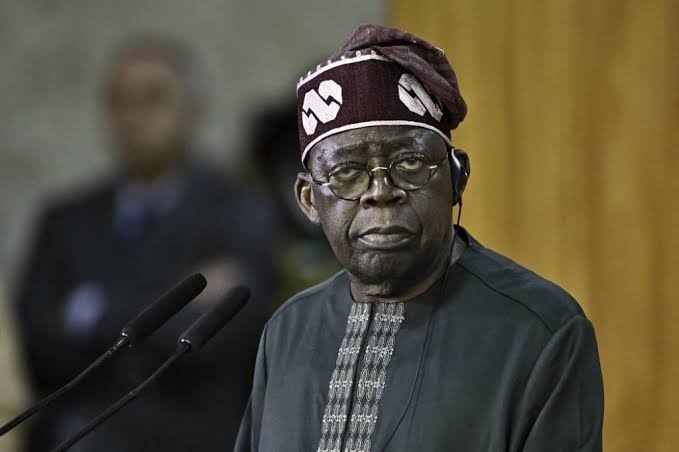
The presidency has defended President Bola Tinubu’s borrowing policy, arguing that Nigeria remains within sustainable debt limits compared to several African economies.
Presidential spokesperson Bayo Onanuga made the remarks on Tuesday in a post on X, where he dismissed criticism of the administration’s rising debt profile as a sign of “economic and financial ignorance.”
According to Mr Onanuga, Nigeria is still creditworthy and capable of taking additional loans to fund infrastructure and economic development projects.
“Nigeria has not over-borrowed compared to countries like Egypt, South Africa and Senegal,” he wrote.
He added that public concern over the government’s borrowing strategy was “unwarranted” and reflected a poor understanding of economics and public finance.
Mr Onanuga’s comments followed a post by an X user, identified as Akinwumi, who compared Nigeria’s debt-to-GDP ratio with those of Egypt and South Africa.
The user claimed that Egypt’s debt exceeds $400 billion against a GDP of about $390 billion, while South Africa’s debt stands at roughly $580 billion with a GDP of around $420 billion. By comparison, Nigeria’s public debt was estimated at about $110 billion against a GDP of roughly $340 billion.
The commenter argued that loans used for infrastructure, electricity, transport, agriculture and digital connectivity should be viewed as long-term national investments rather than liabilities.
The defence of the government’s borrowing policy comes amid growing concern over Nigeria’s debt burden under the Tinubu administration.
Figures released by the Debt Management Office in April showed that Nigeria’s total public debt rose to N159.28 trillion as of December 31, 2025.
Opposition politicians and economic analysts have repeatedly warned against excessive borrowing and the country’s rising debt-servicing costs. However, President Tinubu has maintained that borrowing remains necessary to finance infrastructure and stimulate economic growth.