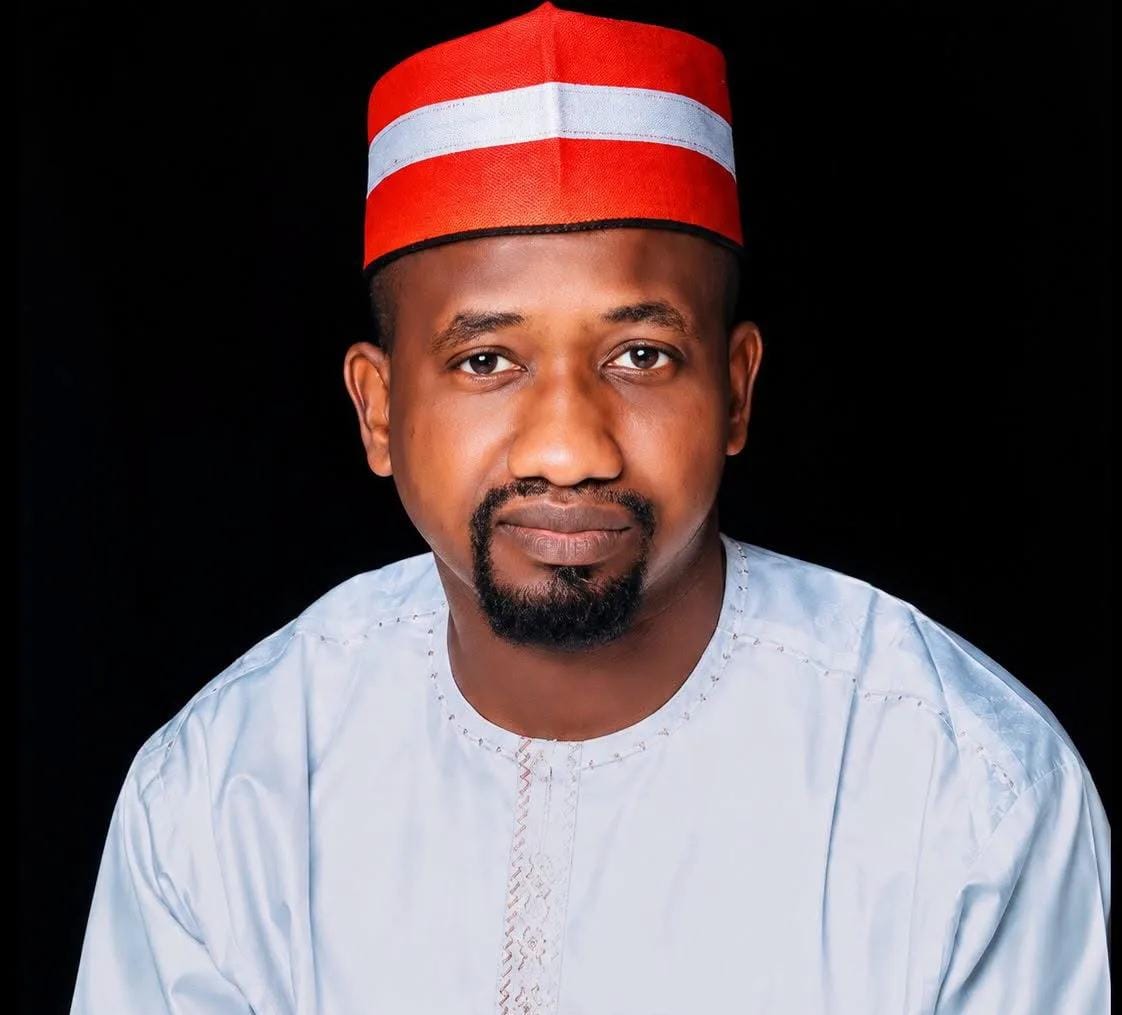

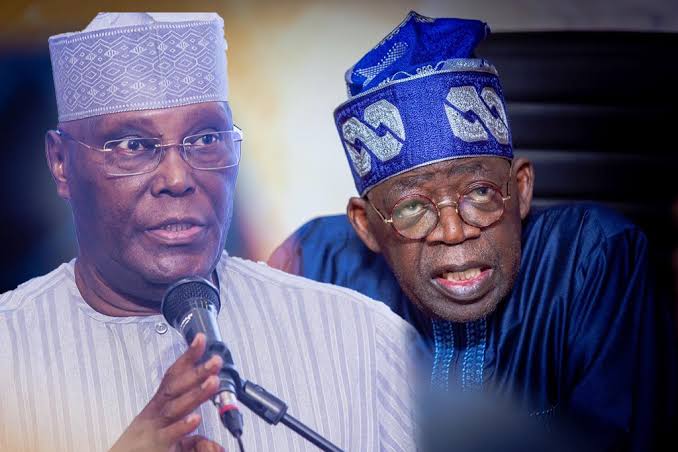
A lawyer on the legal team of former Vice President Atiku Abubakar has petitioned the European Commission over allegations concerning President Bola Tinubu’s academic credentials, documents submitted to the Independent National Electoral Commission (INEC), and a 1993 US civil forfeiture involving $460,000.
Atiku’s media aide, Paul Ibe, disclosed the development in a post on X on Friday, August 14, 2026.
Ibe said Barrister Kalu Kalu submitted the petition in Brussels, Belgium, asking European institutions to examine what he described as threats to Nigeria’s constitutional democracy.
The petition centres on longstanding controversies over Tinubu’s academic records and the forfeiture of funds in the United States following a drug-related investigation.
Speaking to journalists after submitting the petition, Kalu accused Tinubu of violating constitutional provisions through information allegedly contained in documents submitted to INEC.
“I am here at the European Commission to submit a petition to the European Union concerning the subversion of constitutional order in Nigeria,” Kalu said.
He alleged that Tinubu failed to identify the primary and secondary schools he attended in documents submitted to INEC, arguing that this violated Section 137(1)(j) of the 1999 Constitution.
Kalu further alleged that Tinubu submitted false certificates and other documents to the electoral commission, which, he argued, should have affected his eligibility to contest the presidency.
He also accused the administration of using state institutions to remain in power and called on the European Union to support what he described as the restoration of constitutional democracy in Nigeria.
The details of the petition were not immediately made public. There was also no immediate indication that the European Commission had taken action in response to the submission.
The Presidency had not responded to Kalu’s latest allegations as of the time of filing this report.
Background to the Controversy
The allegations form part of a broader legal and political dispute that followed the 2023 presidential election.
Atiku, who contested the election on the platform of the Peoples Democratic Party (PDP), challenged Tinubu’s victory at the Presidential Election Petition Court and later at the Supreme Court.
Among the issues raised by Atiku and the PDP were questions surrounding documents Tinubu submitted to INEC, including records relating to his attendance at Chicago State University in the United States.
Atiku subsequently obtained documents from the university through legal proceedings in the US in 2023 and argued that discrepancies existed between some of the records and documents submitted to INEC.
Tinubu has consistently denied forging any certificate and has maintained that he attended and graduated from Chicago State University.
Nigerian courts ultimately upheld Tinubu’s election and dismissed the petitions challenging his victory.
The other issue highlighted in the latest petition is the 1993 forfeiture of about $460,000 in the United States.
US court records show that the forfeiture arose from a civil proceeding and was not a criminal conviction. Tinubu has denied involvement in drug trafficking, while his supporters have argued that the matter was addressed during the legal challenges arising from the 2023 presidential election.
Kalu’s petition represents the latest attempt by Atiku’s allies to draw international attention to the controversies ahead of Nigeria’s 2027 presidential election.