
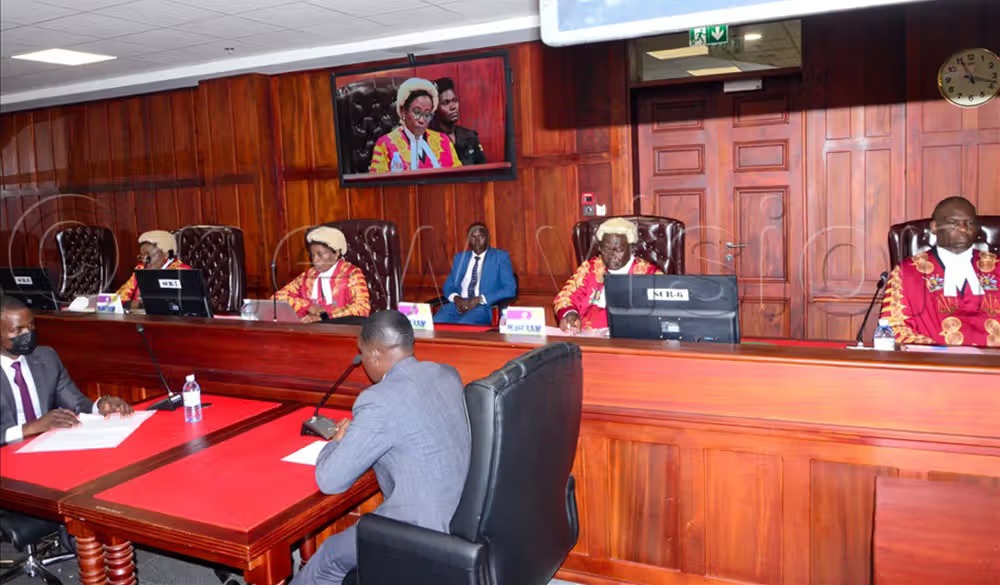
The Uganda Bar Association (UBA) has directed lawyers to stop bowing to judges and discontinue the use of colonial-era honorifics such as "Your Lordship" and "My Lady" in courts.
The directive took immediate effect through an executive order signed on Tuesday by the association's president, Isaac Ssemakadde.
According to the UBA, the order forms part of a broader effort to dismantle colonial traditions within Uganda's justice system. It was issued on Saba Saba Day, which marks resistance against authoritarianism in parts of East Africa.
In a statement accompanying the directive, the association criticised the state of Uganda's judiciary, citing executive interference, judicial delays, corruption, selective application of justice and attacks on legal practitioners.
The UBA also accused the military of eroding judicial independence through unlawful arrests, court invasions, the detention of civilians, obstruction of lawyers and journalists, and the trial of civilians in military courts.
The association said these problems have been reinforced by courtroom traditions that place judicial officers above citizens through compulsory displays of deference.
Under the new directive, lawyers are prohibited from bowing or engaging in any other form of physical deference to judges and magistrates.
The association also abolished the use of titles including "My Lord", "Your Lordship", "My Lady", "Your Ladyship" and "Your Worship".
Instead, lawyers have been instructed to use "Mr. Justice" or "Madam Justice" when addressing appellate court judges, "Mr. Judge" or "Madam Judge" for High Court judges, and "Mr. Magistrate" or "Madam Magistrate" for magistrates. Judicial officers may also be addressed by their surnames where appropriate.
The directive further instructs lawyers and litigants to "stand upright and speak as free citizens", saying courtroom practices should reflect equality before the law rather than reinforce hierarchy.
As part of the reforms, the UBA will begin a nationwide consultation within 90 days to review judicial dress, courtroom language and other legal traditions.
The consultation will examine whether colonial-era wigs, gowns and foreign-language requirements should be replaced with practices that better reflect Uganda's history, culture and climate.
It will also review the judiciary's client charter with the aim of making it easier to understand while strengthening guarantees on respect, timely service, access to information and effective redress for court users.