
In our last column, we reflected on the leadership philosophy of Engr. Eric Anyamene and why many people see him as a fresh approach to representation in Idemili North and South. As the 2027 election gradually comes into focus, our attention remains on the race for the House of Representatives. This week, we shift the conversation from personalities to principles by asking a simple but important question: What should Ndi Idemili demand from the person seeking to represent them?
Representation is no child's play. It is one of the most important responsibilities in a democracy because it places the hopes and expectations of thousands of people in the hands of one individual. A member of the House of Representatives is expected to speak for the constituency, defend its interests and ensure that it is not left behind in the distribution of opportunities, projects and government programmes. That responsibility demands competence, courage and commitment.
The first quality the people should look for is the ability to listen. Every community has its own needs. Some require better roads, others need improved schools, healthcare facilities or access to clean water. A representative who listens will understand these differences and make them the basis of his work. Representation should never be about imposing personal preferences on the people. It should be about giving the people a voice in decisions that affect their lives.
Closely connected to this is accountability. Public office is a trust, not a personal privilege. The people deserve to know what their representative is doing, the motions being moved, the bills being sponsored, the projects being attracted and the challenges being encountered. Transparency builds confidence, while regular engagement keeps the representative connected to those who gave him the mandate.
Capacity is another factor that cannot be ignored. Good intentions alone are not enough. A representative must have the network, credibility and influence to attract federal projects, create opportunities for young people, facilitate employment and ensure that Idemili receives its fair share of national development. The House of Representatives is not a place for learning the basics of leadership. It requires people who can make an immediate impact.
The next representative must also be a strong voice for Idemili. Silence has never attracted development. The constituency deserves someone who can confidently defend its interests, contribute meaningfully to national debates and speak whenever issues affecting the people are discussed. At the federal level, a strong voice is often the difference between being remembered and being ignored.
These are the standards by which every candidate should be assessed. Political parties will campaign, supporters will make promises, media surrogates will throw up propaganda and candidates will seek votes. That is expected. But beyond the campaign, Ndi Idemili must ask deeper questions. Who has shown capacity before asking for public office? Who has demonstrated compassion for the people? Who understands the challenges of the constituency? Who has the character to remain accountable after the election?
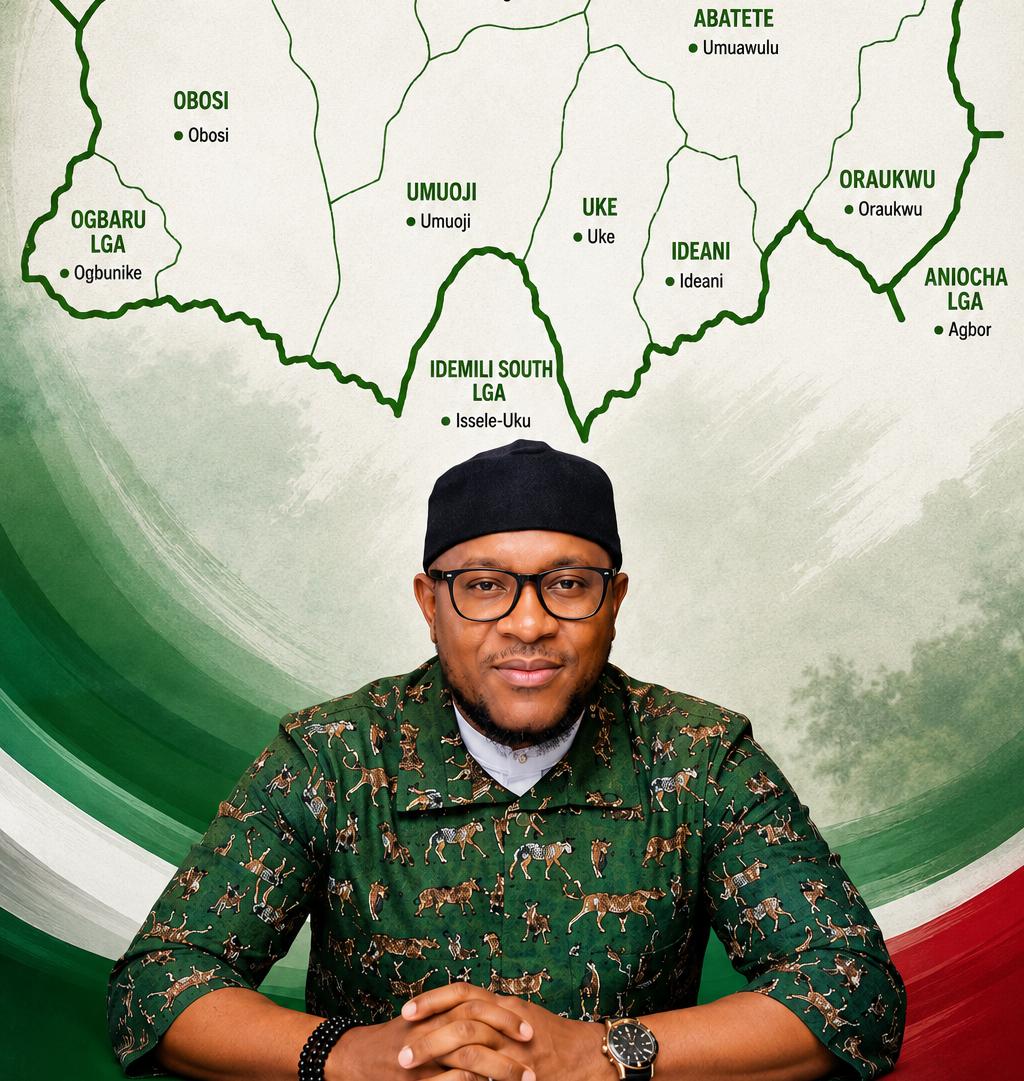
These questions explain why Engr. Eric Nnamdi Anyamene has continued to attract attention across Idemili North and South. His community interventions, support for education, youth development, healthcare, local markets and cultural initiatives have given many people confidence in his approach to leadership. More importantly, he has repeatedly expressed his desire to run a people-centred representation where communities themselves identify their priorities and government responds accordingly.
The 2027 election presents another opportunity for Ndi Idemili to define the future of the constituency. The decision should not be driven by sentiment. It should be guided by competence, accountability, transparency and the proven ability to serve. These are the qualities that distinguish ordinary representation from quality representation, and they are the qualities Ndi Idemili should demand from anyone seeking their mandate.