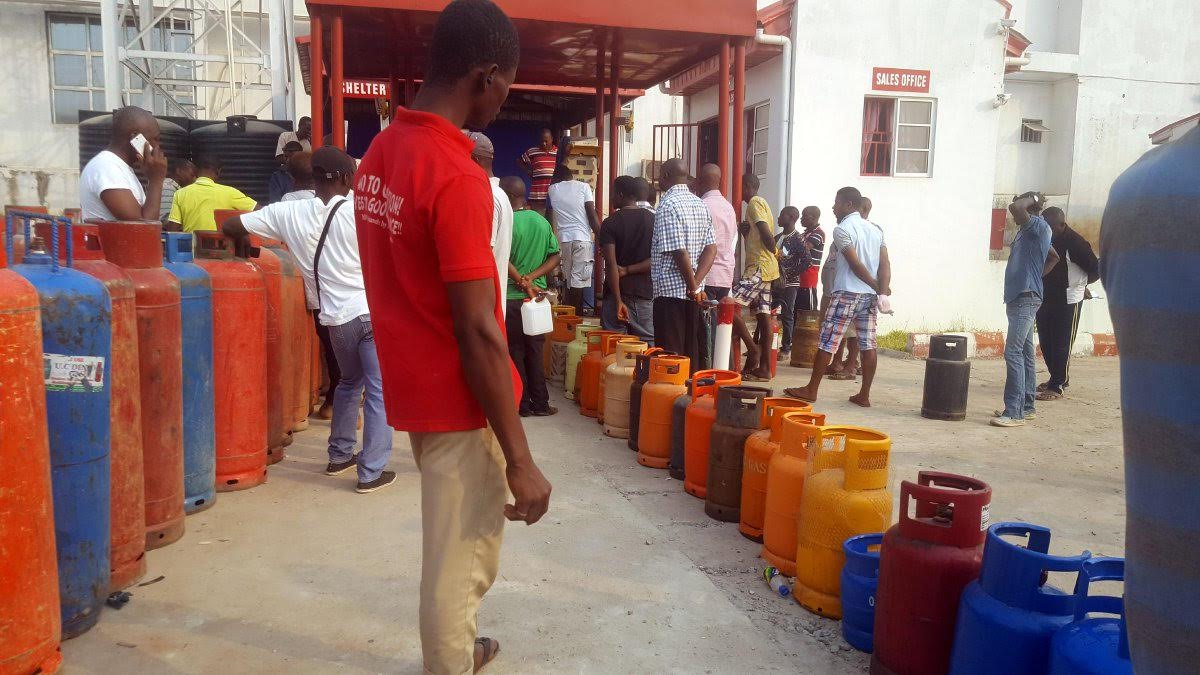
The Federal Government has directed security agencies and regulators to intensify efforts against the hoarding, illegal diversion and speculative storage of liquefied petroleum gas (LPG), commonly known as cooking gas, following a sharp increase in prices nationwide.
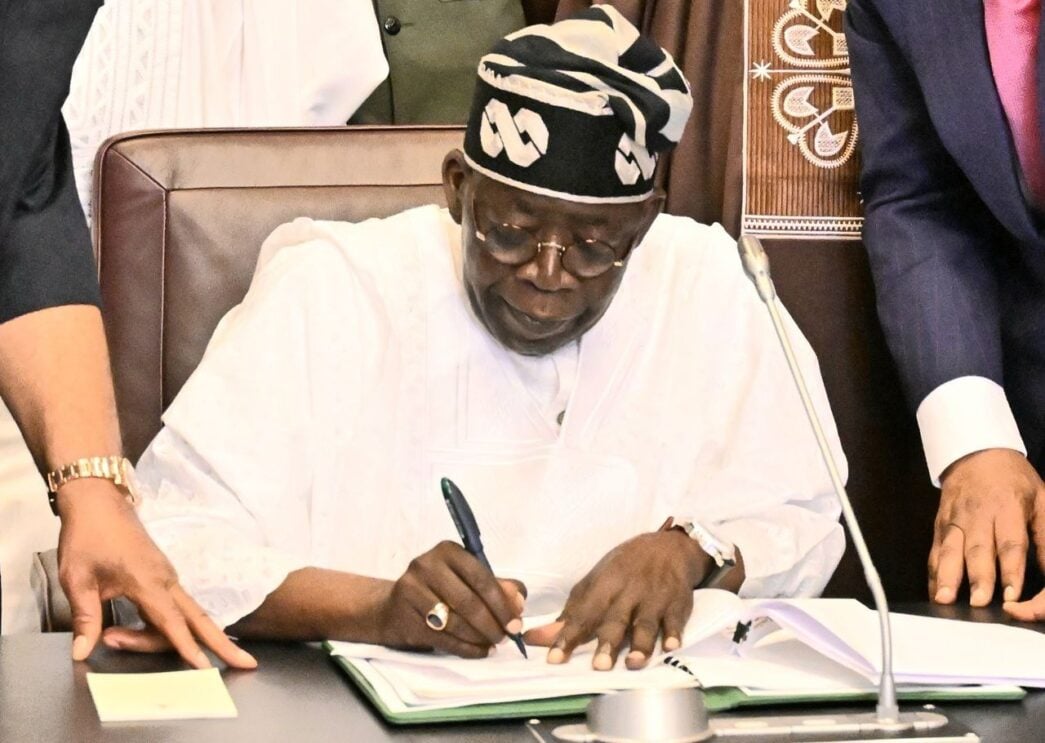
The directive was issued by the Minister of State for Petroleum Resources (Gas), Ekperikpe Ekpo, during an emergency stakeholders' meeting in Abuja. He said the Department of State Services (DSS), the Economic and Financial Crimes Commission (EFCC) and the Nigeria Police Force would work together to address practices driving up the cost of cooking gas.
Ekpo also instructed the Nigerian Midstream and Downstream Petroleum Regulatory Authority (NMDPRA) to strengthen market surveillance, eliminate artificial scarcity and improve transparency in LPG distribution and pricing.
According to the minister, marketers have agreed to increase imports where necessary, while additional domestic supply from facilities, including Seplat's gas plant, is expected to improve product availability in the coming weeks.
He added that the government is developing a local LPG blending initiative involving Nigeria LNG Limited (NLNG), local producers and the Port Harcourt plant operator. The initiative is expected to reduce reliance on imports, lower logistics costs and support more stable prices.
Ekpo urged marketers and importers to bring in more LPG, disclose shipment schedules, price products responsibly and avoid withholding supplies for profit. He also called on transporters to improve product delivery and maintain transparent haulage costs, while retailers were directed to display prices clearly, avoid arbitrary increases and report supply disruptions promptly.
Meanwhile, the NMDPRA said wholesalers and retailers are selling cooking gas at prices far above the regulator's indicative benchmarks.
The regulator disclosed that consumers currently pay between N1,600 and N2,100 per kilogram in the South-West, compared with the official benchmark of N1,018 to N1,177 per kilogram.
In the North-Central, prices range from N1,550 to N1,950 per kilogram against an indicative price of N1,066 to N1,224, while consumers in the South-South pay between N1,400 and N2,000 per kilogram, despite the regulator's benchmark of N1,021 to N1,179.
According to the NMDPRA, the wide gap is driven by non-cost-reflective pricing, distribution bottlenecks and limited domestic supply.
The regulator also revealed that Chevron Nigeria Limited exported its entire LPG production of 148,222 metric tonnes between January and May 2026, representing 22.93 percent of national output, a development it said has reduced supplies available for the domestic market.
The agency said it plans to engage the Nigerian Upstream Petroleum Regulatory Commission (NUPRC) and the Ministry of Petroleum Resources to increase the volume of LPG supplied locally.
Data presented by the NMDPRA showed that NLNG was the country's largest LPG producer during the period, with 187,559 metric tonnes, accounting for 29.01 percent of total output. Dangote Petroleum Refinery followed with 105,127 metric tonnes, representing 16.26 percent of national production.