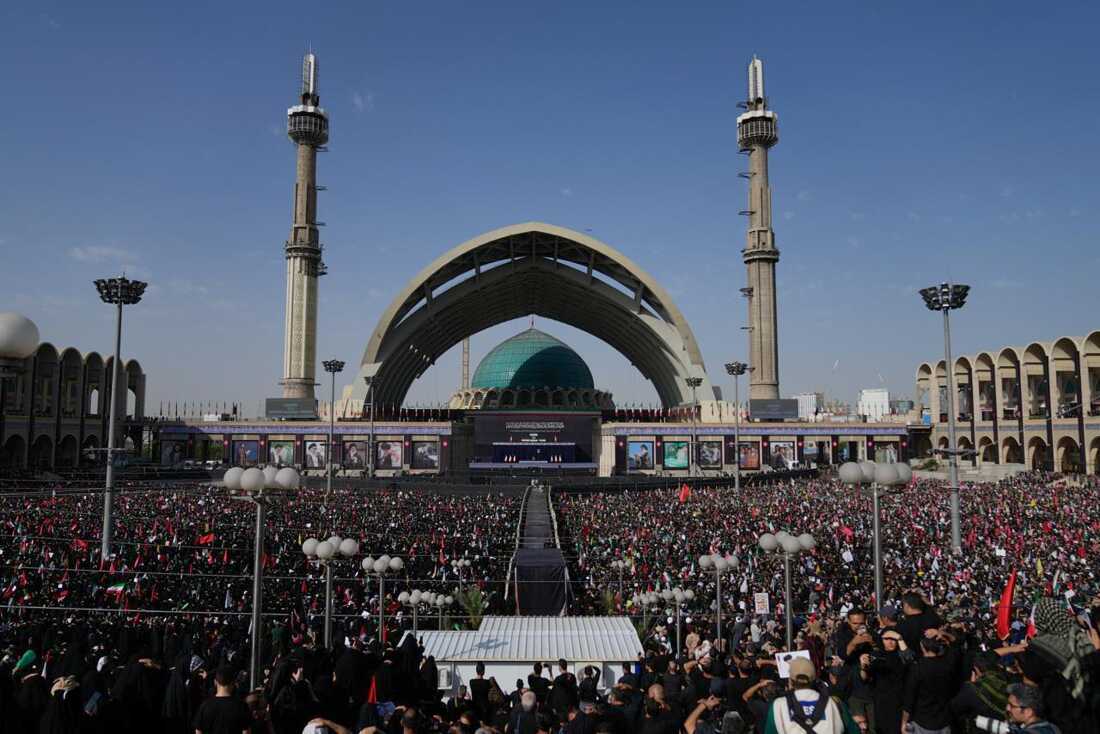
Iranian authorities are reportedly preparing for the possibility of up to 3,000 deaths during the funeral ceremonies for former Supreme Leader Ayatollah Ali Khamenei, as millions of mourners are expected to gather across the country.
According to German newspaper *Die Welt*, a classified document from the Iranian Red Crescent and the country's National Crisis Management Organisation projects that between 1,500 and 3,000 people could die during the period when Khamenei's body lies in state in Tehran. The reported estimate is linked to concerns over overcrowding, extreme heat and the scale of the expected turnout.
The publication said Tehran's municipal authorities have established a special unit to manage the dead and missing and have prepared thousands of graves at Behesht-e Zahra cemetery as part of emergency contingency plans.
"The prepared graves really exist. Those responsible were told that up to 3,000 deaths would be manageable. With such large crowds and extreme heat, no one knows what will happen," *Die Welt* quoted an anonymous municipal employee as saying.
Khamenei, who was reportedly killed in a joint Israel-US airstrike on February 28, is scheduled to be buried in Mashhad on July 9 after a week-long funeral procession. The route includes Tehran, Qom, and the Iraqi cities of Najaf and Karbala, which are among the holiest sites in Shia Islam. His body will remain at Tehran's Grand Prayer Hall until July 6 to allow mourners to pay their final respects.
Iranian authorities say at least 20 million people are expected to attend the Tehran leg of the funeral procession, although that figure has not been independently verified.
To manage the crowds, officials have reportedly planned an extensive security and logistics operation. Measures include movement restrictions, possible disruptions to air travel, deployment of thousands of buses, temporary kitchens, and the use of schools and mosques to accommodate visitors.
The report also states that Tehran will provide free 24-hour metro and bus services throughout the funeral period in an effort to ease congestion and reduce the risk of stampedes.
According to *Die Welt*, each of Tehran's 22 municipal districts has received additional funding for emergency services, transportation, parks, construction and other public services needed to support the funeral.
Government-linked journalists cited by the newspaper estimate that the three-day funeral programme in Tehran will cost approximately $17 million.
Iran has historically used major state funerals as demonstrations of national unity and political strength, making the ceremonies for Khamenei one of the largest public events in the country's recent history.