
President Bola Tinubu has announced measures aimed at reducing transportation costs nationwide, including the deployment of more compressed natural gas (CNG) conversion kits and an additional 500 CNG refuelling stations.
The announcement came on Thursday, August 27, amid growing criticism of the government’s handling of the savings generated since the removal of the petrol subsidy.
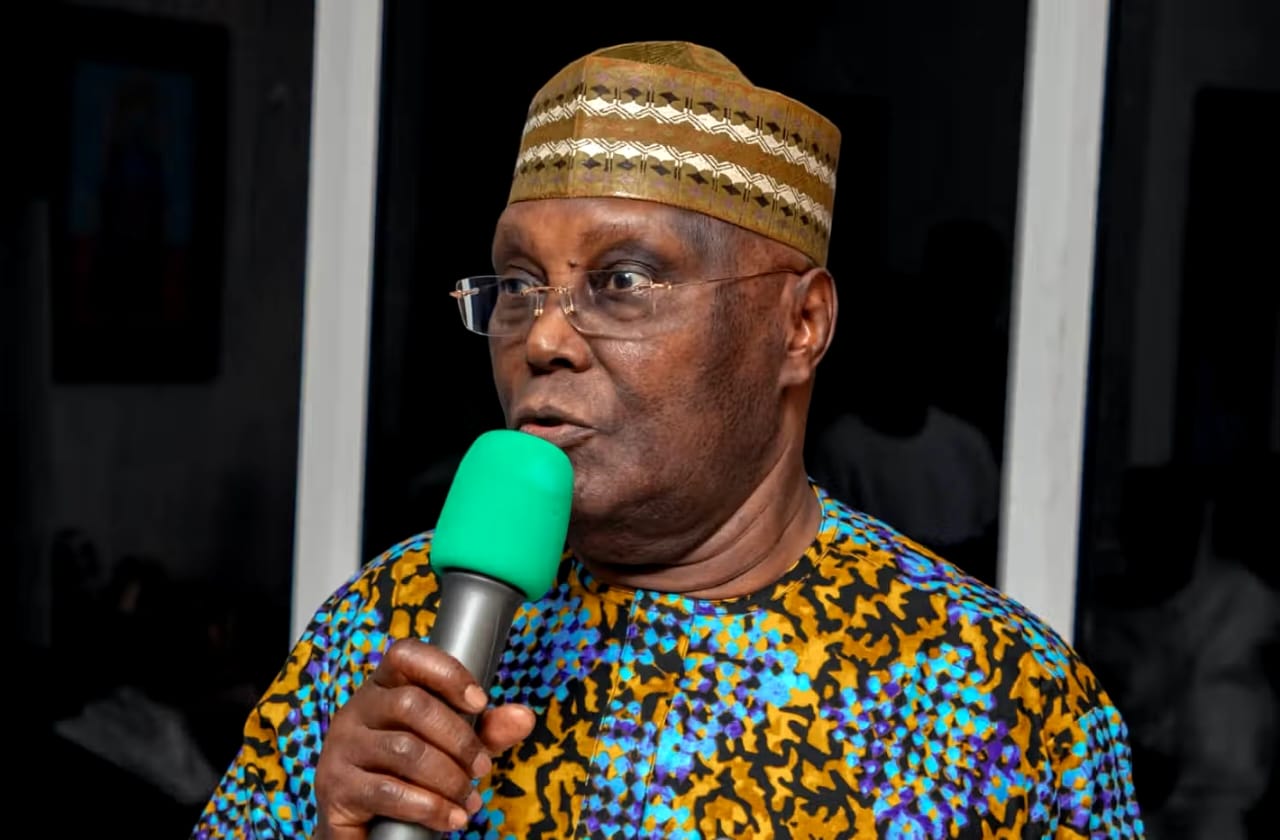
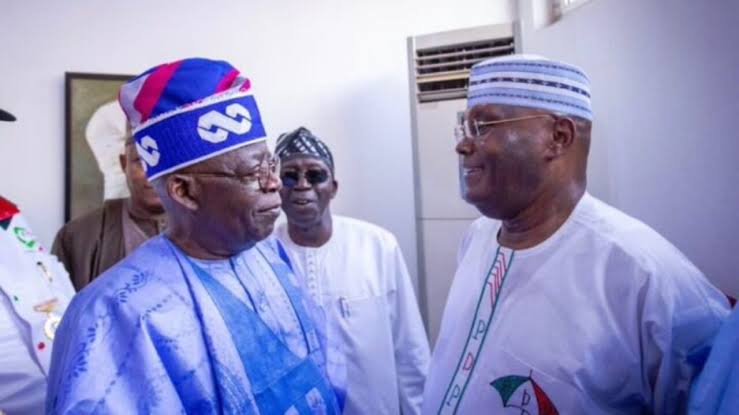
It also followed renewed pressure from the presidential candidate of the African Democratic Congress (ADC), Atiku Abubakar, who has called for the return of fuel subsidy and accused the Tinubu administration of failing to use the savings from subsidy removal to ease the economic hardship faced by Nigerians.
Tinubu, in a statement posted on X, said state governors had agreed to take immediate steps to reduce intra-state transportation costs by expanding the use of CNG and electric vehicles.
He said more than 120,000 vehicles had already been converted to CNG under the Presidential CNG Initiative, while more than 100,000 additional conversion kits were being prepared.
The president also said the Federal Government was expanding CNG conversion centres and refuelling infrastructure across the country.
According to Tinubu, the Midstream and Downstream Gas Infrastructure Fund is financing more than 100 gas projects, including 15 CNG mother stations and 86 daughter stations.
He further disclosed that he had approved the construction of another 500 CNG refuelling stations, in addition to the 500 previously ordered by the fund, bringing the planned total to 1,000 stations nationwide.
Tinubu said the Federal Government and the states would establish a joint committee to implement the measures.
“A vehicle running on CNG spends 60 to 80 per cent less on fuel than one running on petrol,” the president said.
He added that the government’s target was for Nigerians to begin benefiting from those savings through reduced transport fares from October 1.
“We have agreed that cheaper fuel should result in cheaper fares,” Tinubu said.
The announcement comes as Atiku intensifies his campaign for a reversal of the petrol subsidy removal. The former vice president has argued that the policy has contributed to higher living and transportation costs and has questioned whether Nigerians have received sufficient benefits from the savings generated by the policy.
Tinubu removed the petrol subsidy shortly after taking office in May 2023, triggering a sharp increase in petrol prices and transportation costs. His administration has since promoted CNG as a cheaper alternative for motorists and a way of reducing the impact of petrol price increases.
The new measures therefore represent a shift towards using cheaper alternative fuel to lower transport costs rather than restoring the petrol subsidy, which Atiku has been demanding.
The key test will be whether the planned CNG expansion translates into lower fares for commuters from October 1, particularly in states where public transportation remains heavily dependent on petrol.