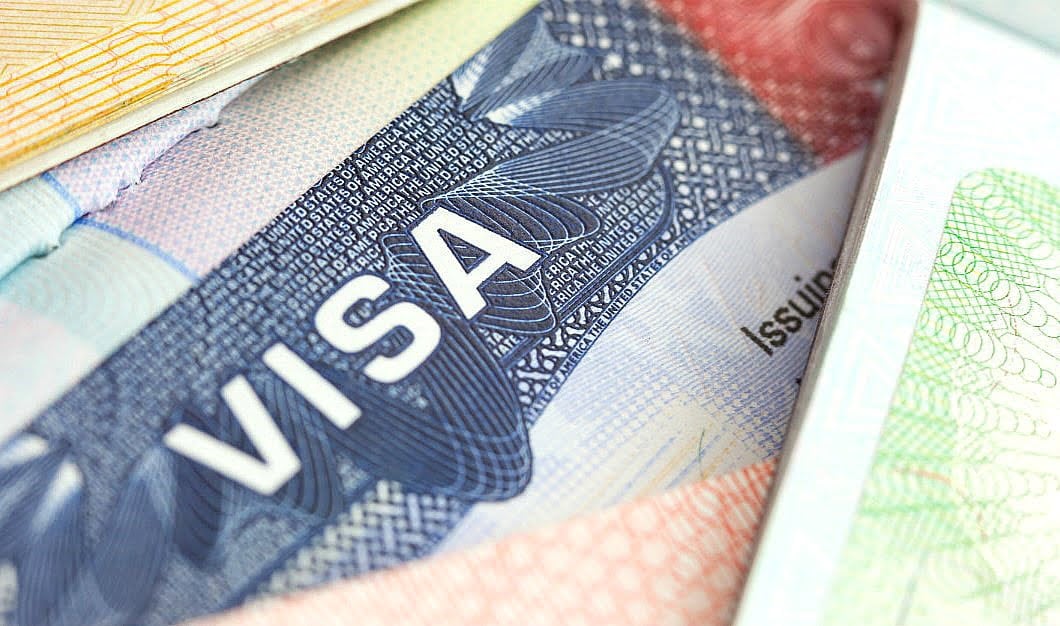
The United States has suspended immigrant visa applications worldwide as President Donald Trump’s administration moves to tighten immigration controls and prevent applicants deemed likely to depend on public assistance from obtaining entry visas.
A State Department official confirmed the suspension on Tuesday, saying the initiative was launched at US embassies and consulates globally in early August.
According to the official, some visa appointments have been adjusted to allow consular officers to undergo “in-depth training.” The State Department said the training is intended to ensure officers can assess visa applicants “comprehensively and consistently.”
Applicants with previously scheduled interviews have reportedly received emails informing them that their appointments were cancelled. They are expected to receive new appointment dates, although no timeline has been provided.
The suspension is linked to the administration’s effort to prevent immigrants from becoming dependent on US public benefits and forms part of a wider crackdown affecting both lawful and undocumented immigration.
The development follows the administration’s announcement that it would revoke the visas of some asylum seekers who entered the US initially on tourist or business visas before applying for asylum.
State Department spokesman Tommy Pigott said using a visa to enter the US before seeking asylum amounted to fraud and could lead to visa revocation.
The White House has said as many as 200,000 visas could be affected, describing the action as the largest mass visa revocation in US history. The State Department has not confirmed the figure, saying the number of revocations remains subject to change.
The latest suspension also follows an earlier administration policy aimed at restricting visa applications on “public charge” grounds. That policy, which affected citizens of 75 countries, was recently overturned by a federal judge.
Immigration lawyers and advocacy groups have expressed concern about the impact of the suspension on applicants who have already paid for travel, documentation and other expenses related to their visa interviews.
Brian Simmons, an attorney with immigration law firm Fragomen in Washington, said some applicants may have spent thousands of dollars and made major personal arrangements before their interviews were cancelled.
The administration has also introduced other measures affecting visa applicants, including reviews of applicants’ social media activity and additional processing costs.
The State Department has yet to announce when cancelled immigrant visa interviews will resume.