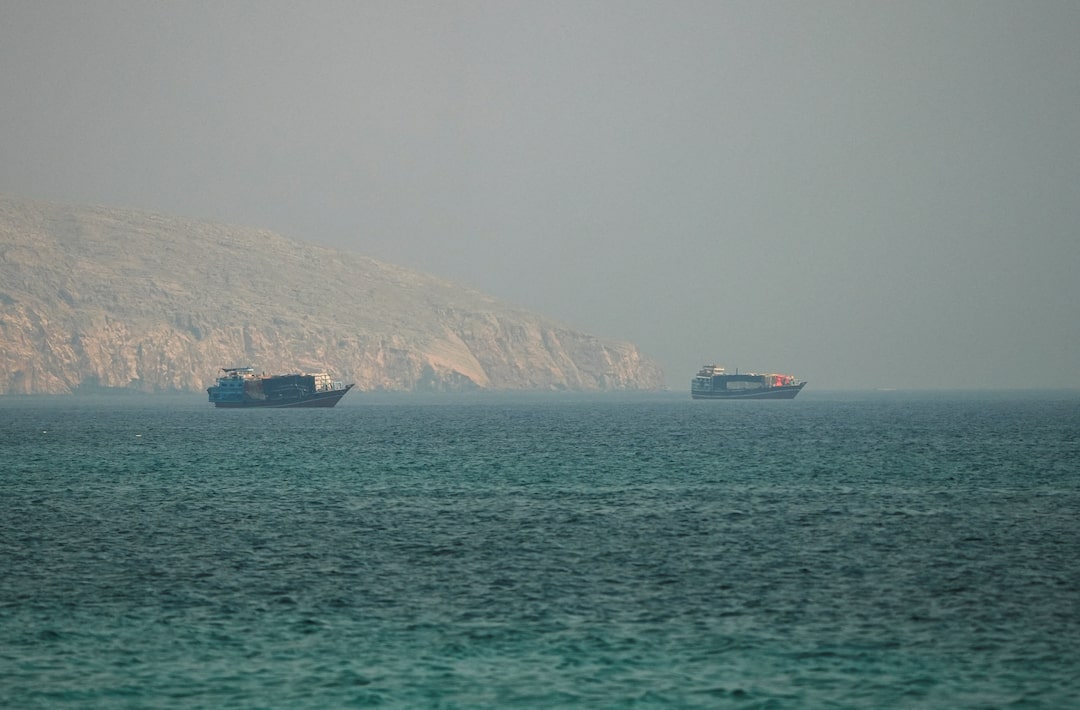
Iran has indefinitely closed the Strait of Hormuz following a fresh escalation in hostilities with the United States, raising concerns over global oil supplies and maritime security.
The strategic waterway, one of the world's busiest routes for oil and petroleum exports, serves markets across Europe, Asia and other regions. Its closure previously disrupted global energy markets before a peace agreement between the US and Iran led to its reopening about six months ago.
Tensions have risen again in recent days after US President Donald Trump declared the agreement with Iran was no longer in effect.
On Sunday, Iran's Islamic Revolutionary Guard Corps (IRGC) announced the indefinite closure of the Strait after firing a warning shot at a vessel it said was attempting to transit the waterway through an "unauthorized route."
In a statement published by the Arabic-language website of the IRGC-affiliated Tasnim News Agency, the force accused foreign powers of interfering in the region through unauthorized maritime movements.
"The Strait of Hormuz is to be closed until further notice and until regional interference by the US ceases," the statement said. "No vessel or naval craft will be allowed to pass."
The United States responded by launching another round of military strikes against Iranian targets, marking its third operation this week.
According to US Central Command (CENTCOM), the strikes were carried out after IRGC forces allegedly attacked a Cyprus-flagged container ship transiting the Strait of Hormuz. The military said one crew member is missing.
"Iran was provided yet another opportunity to demonstrate adherence to the Memorandum of Understanding after being held accountable for earlier attacks on commercial vessels but has again failed," CENTCOM said in a post on X.
The command said the operation began at 7:15 p.m. ET and remained ongoing at the time of its statement. It added that the strikes were being conducted on the orders of President Donald Trump to impose what it described as "a heavy cost" on Iran.
US Defense Secretary Pete Hegseth also commented on the development, writing on social media: "Iran made a poor choice. Now they pay."
Meanwhile, Iran's Supreme Leader, Mojtaba Khamenei, and President Trump have exchanged public threats over the weekend, further heightening fears of a wider military confrontation in the Gulf.