
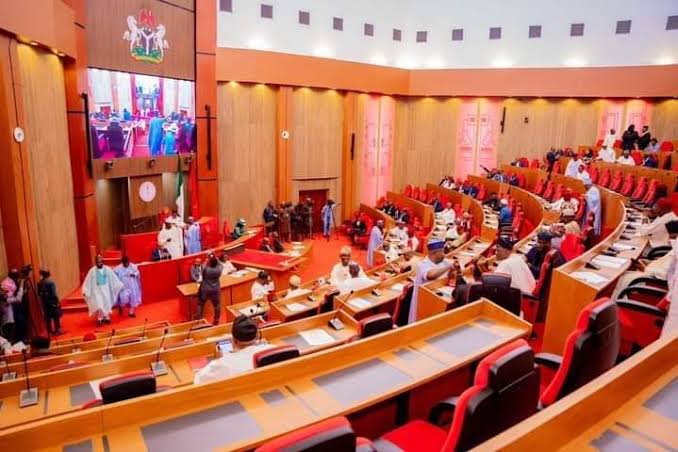
Senate has linked the growing wave of insecurity in the country to what lawmakers described as a deepening culture of indiscipline across public and private life.
The position was adopted during plenary in Abuja following a motion titled *“The Growing Menace of Indiscipline in Nigerian Society”* sponsored by Senator Dachung Mwadkon of Plateau State North.
Mwadkon told lawmakers that available reports from communities, civil society groups, schools, and media organisations point to an increase in antisocial behaviour, youth violence, and destruction of public assets.
He said, *“The growing culture of indiscipline has contributed to rising insecurity, erosion of societal values, weakening of institutions and declining public confidence in governance.”*
During debate, senators cited rising cases of traffic violations, vandalism, workplace misconduct, political intolerance, disregard for lawful authority, and abuse of social media as signs of a broader behavioural decline.
Senator Anthony Ani representing Ebonyi South described indiscipline as “one of the biggest challenges confronting the country,” while Deputy Senate President Jibrin Barau stressed that discipline remains central to national progress.
Senate President Godswill Akpabio drew a direct link between civic behaviour and security outcomes, stating that “indiscipline remains one of the root causes of criminality, banditry and other social vices in the country.”
He urged the National Orientation Agency to expand its public enlightenment campaigns to promote respect for rules, civic responsibility, and responsible citizenship, especially among young people.
The Senate also called on the Federal Government to introduce a coordinated national reorientation programme focused on patriotism, integrity, and civic responsibility. Lawmakers further recommended stronger investment in youth employment, skills acquisition, and social intervention programmes to address underlying social pressures driving misconduct.
In addition, the chamber urged state and local governments, traditional institutions, religious bodies, schools, and civil society organisations to intensify public education on moral values and respect for lawful authority.