
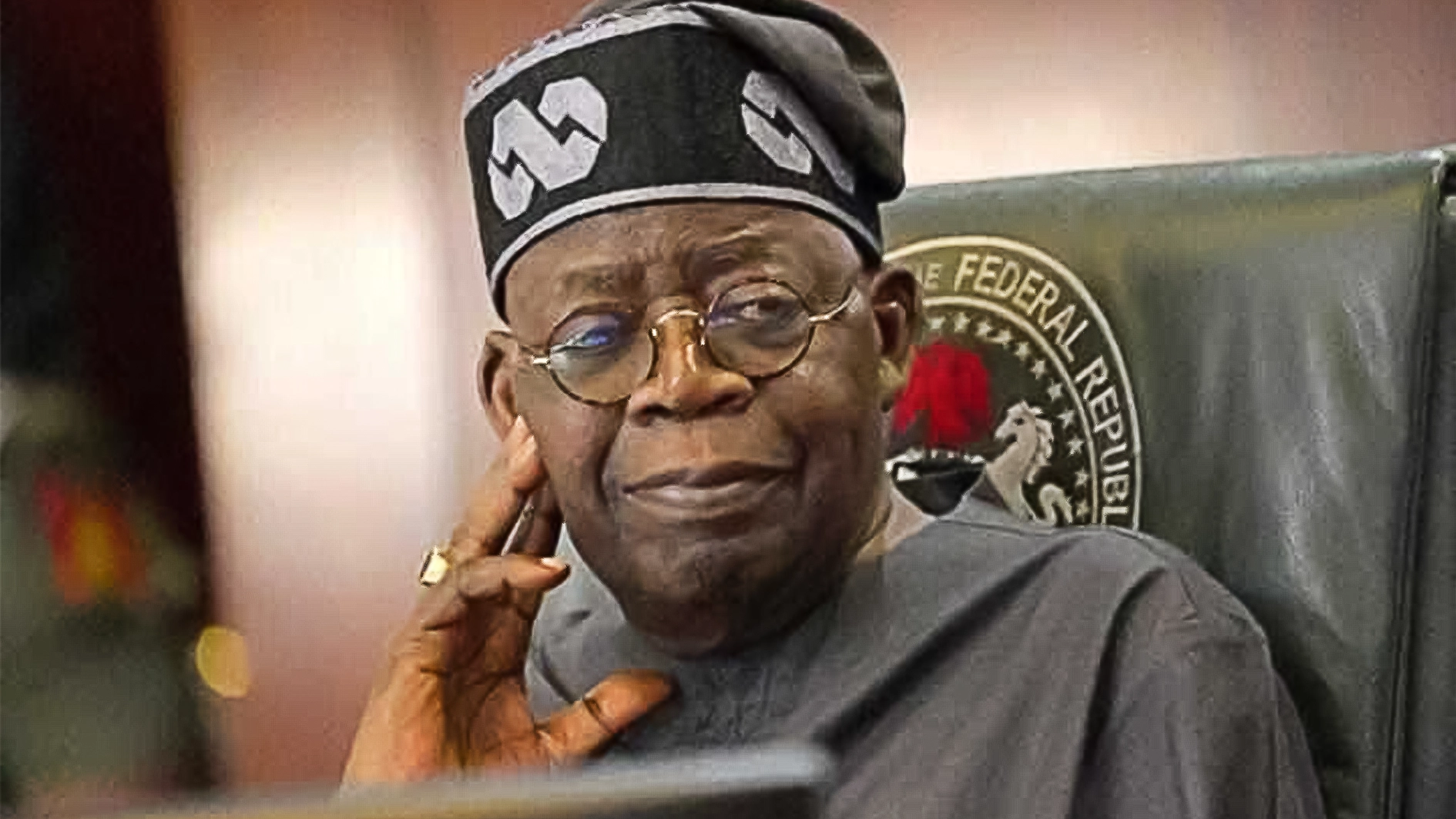
President Bola Ahmed Tinubu says Nigerians have started benefiting from lower transportation fares through the Federal Government’s expansion of compressed natural gas (CNG) and electric-powered public transport.
Tinubu made the statement on Saturday while giving an update on his administration’s plan to deliver cheaper transportation from October 1, 2026.
The President said he met with the 36 state governors on August 27 to discuss measures to reduce transport costs amid rising economic pressures.
According to him, the meeting led to the establishment of an implementation committee for the National Affordable CNG Transit Programme under the Nigeria Governors’ Forum.
He said the committee, PI-CNG & EV, state governments and other stakeholders were working to identify priority transport routes and deploy appropriate interventions.
Tinubu cited several examples of reduced fares resulting from CNG and electric transport initiatives across the country.
In Borno, he said CNG-powered and electric public transport services charge between ₦50 and ₦100 on routes where commercial operators charge between ₦300 and ₦600.
In Kaduna, 100 CNG buses provide free transportation on major routes. The President said the buses carried about 3.2 million passengers in their first year and saved commuters more than ₦3.5 billion in transport costs.
He also said CNG buses deployed to Pacesetter Transport in Oyo reduced the Lagos-Ibadan fare from about ₦8,000 to ₦3,200 during the initial deployment.
Other examples cited by the President include:
Adamawa: Alternative-energy transport services have reduced some fares by up to 50 per cent, from ₦8,000 to ₦4,000.
Enugu: The Enugu-Nsukka fare has fallen from ₦2,500 to ₦1,500 following the deployment of 100 CNG buses.
Plateau: Government-supported buses carry about 13,000 commuters daily at ₦200, compared with commercial fares above ₦500.
Niger: The Suleja-Abuja fare has dropped to ₦550 from about ₦800.
Abia: Forty electric buses have been deployed with fares subsidised by 50 per cent.
Tinubu also highlighted fare reductions on some Abuja routes operated by CNG-converted commercial vehicles under a partnership with the National Union of Road Transport Workers.
He said fares on the Area 1-Gwagwalada route had fallen from ₦1,500 to ₦900, Nyanya from ₦700 to ₦420, and Wuse from ₦400 to ₦240.
“These are not projections. Nigerians are already experiencing these savings,” the President said.
Tinubu said rising global energy prices had increased pressure on petrol and diesel costs, adding that Nigeria’s gas resources could help reduce the country’s exposure to fluctuations in international energy markets.
He said more than 120,000 vehicles had been converted to CNG over the past three years, while the country now has more than 400 certified conversion centres and over 90 CNG refuelling stations.
The President said states including Edo, Kano, Delta, Kwara, Lagos and Akwa Ibom were also expanding CNG-based transport services.
Edo, he said, has 50 CNG buses in operation, while Kano has converted more than 1,000 commercial vehicles. Akwa Ibom has taken delivery of 50 CNG buses ahead of their deployment for commercial operations.
Tinubu urged state governments to work with transport unions and commercial operators to expand CNG conversion and fleet deployment before October 1.
He also directed that savings from lower energy costs should translate into reduced fares for commuters.
“We must accelerate the cheaper alternatives we have been building at home,” he said.