

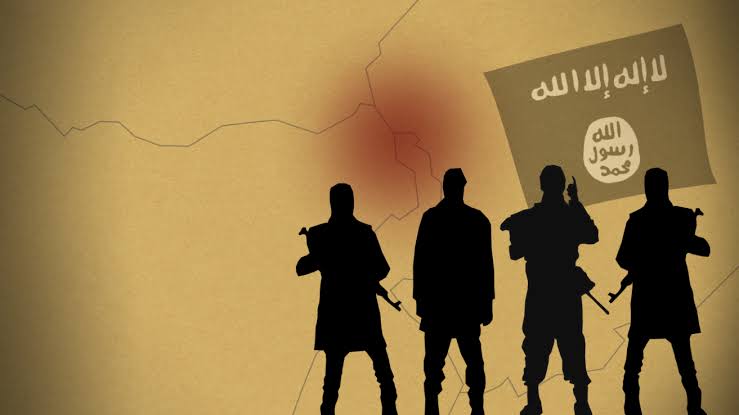
Members of Boko Haram and the Islamic State West Africa Province (ISWAP) used artificial intelligence (AI) chatbots to improve operational planning and seek information related to explosives, according to a report by The New York Times.
The report, which cites research by Antonia Juelich of the University of Cambridge, says former insurgents described how the groups used AI platforms, including ChatGPT, Claude, Gemini, Grok and DeepSeek, to address tactical challenges encountered during attacks.
One former Boko Haram commander said the group turned to AI after an attack on a military base was unsuccessful because of a defensive trench. According to the report, they asked AI tools how to modify motorcycles to clear the obstacle, providing details about the motorcycles and the distance involved.
The AI tools reportedly generated instructions that helped the group's mechanics improve the motorcycles' speed and acceleration before fighters practised the manoeuvre. The former commander was quoted as saying the group drew inspiration from a movie scene before using AI to understand how to achieve a similar result.
Another former ISWAP commander told the researcher that AI chatbots were also used to seek information related to explosives. According to the report, the insurgents believed AI reduced the need for trial-and-error and provided more precise guidance.
The report also states that some fighters claimed AI-generated responses helped them make changes to chemical mixtures, which they believed made explosive devices more effective.
Responding to the findings, OpenAI said using its technology for terrorist or harmful activities violates its usage policies. Google and Anthropic also said their AI models are designed to refuse requests that facilitate violence, weapons or other dangerous activities.
However, The New York Times reported that former insurgents claimed they sometimes attempted to bypass chatbot safety measures by presenting harmful requests as educational or research-related questions.