
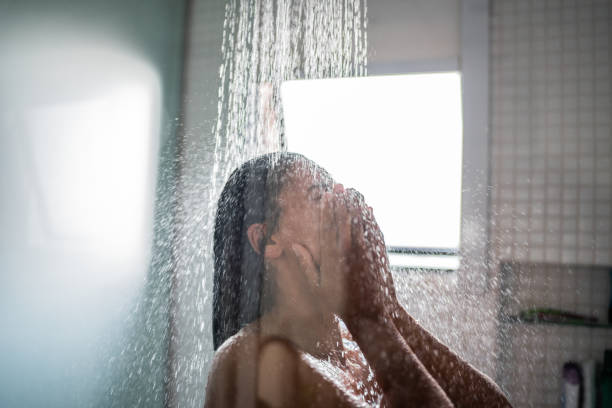
Dermatologists are encouraging older adults to reduce how often they shower, saying frequent bathing and excessive use of soap can contribute to dry, irritated and fragile skin as part of the natural aging process.
According to skin specialists, aging reduces the skin's ability to retain moisture. Natural oil production declines, the outer layer of the skin becomes thinner, elasticity decreases and cell renewal slows, weakening the skin's protective barrier and increasing the risk of dryness, itching and irritation.
Dr. Sylvie Meaume, head of the Geriatric Wounds and Healing Unit at AP-HP Rothschild Hospital, said these changes make older adults more prone to tight, dry and itchy skin. She explained that the skin's hydrolipidic film, which helps lock in moisture and protect against irritants, becomes less effective with age. Frequent washing, particularly with harsh soaps, can further weaken this protective barrier.
Experts recommend that adults aged 65 and above shower about twice a week, while rinsing the body daily if needed. They also advise using soap every few days rather than during every wash, while continuing to clean areas such as the underarms, feet and intimate regions every day.
To help protect aging skin, dermatologists recommend using lukewarm instead of hot water, limiting showers to three or four minutes, and choosing gentle cleansing products such as shower oils, lipid-rich soaps or dermatological cleansing bars instead of harsh soaps containing strong detergents.
After bathing, specialists advise gently patting the skin dry with a towel rather than rubbing it. They stress that reducing shower frequency does not mean neglecting personal hygiene. Instead, they say adjusting bathing habits to suit the needs of aging skin can help prevent excessive dryness, eczema, irritation and other skin conditions while maintaining good hygiene.